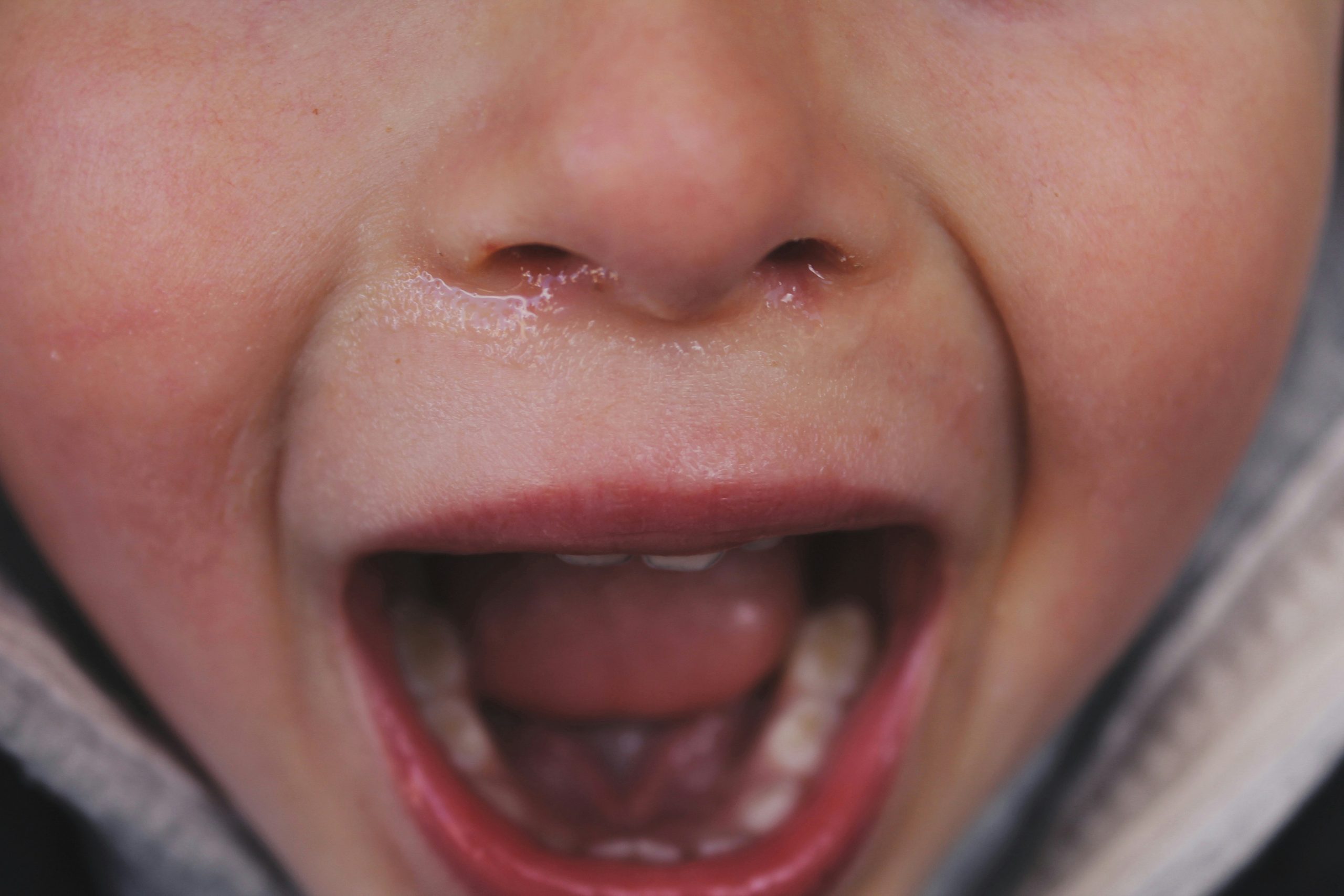
If you’ve met Ciara at Autism Supports for guidance with your child, or work with young people in any capacity, it’s likely you’ll have heard the phrase ‘Behaviour is Communication’, but what does it mean?
Actions speak louder than words.
Gestures, facial expressions, and noises, all develop a long time before words, particularly with neurodivergent children, if words come at all. A baby grunting and writhing might be communicating a need to fill their nappy. A toddler chewing on their knuckles and drooling might spell out a troublesome tooth. Fast forward to the actions and behaviours of our adult lives – we might slap our fist on the steering wheel if someone cuts in front of us, or roll our eyes at the mother-in-law. While, as adults, we are often more socially aware to temper such reactions, they are, in and of themselves, communicating our inner thoughts and feelings.
Children do not have the means or the language to explain their internal experiences, but they make their discomfort or upset known in meltdowns or shutdowns, lashing out, or displaying unusual movements, or tics. This is particularly the case with neurodivergent children, who face additional challenges in identifying and articulating proprioception (their physical sense of position and movement) and interoception (how they feel internally).
When we stop viewing ‘behaviour’ as attention seeking, boldness, tantrums or oddness, and appreciate that it is serving a function, we gain connection. If we pause, and get curious, rather than angry, or embarrassed, we do not add fuel to the fire of overwhelm our children are facing, and truly see that they are, perhaps having a difficult time, not giving us a difficult time.
Stop, reflect and question:
• What unmet need is this behaviour highlighting?
• What is the sensory environment surrounding the behaviour?
• What preceded this behaviour – are they hungry, ill, scared, uncomfortable, tired?
• What’s ahead of this behaviour – are they dreading a difficult transition?
• Is repetitive or seemingly (to us) nonsensical play, or stimming* helping to regulate and calm?
* Stimming is shorthand for ‘self-stimulating behaviour’ – everyone does this to a degree, but for neurodivergent people in particular, repetitive actions can be incredibly regulating and comforting. It can involve any of the senses.
Examples:
Vestibular (i.e.. movement or action): Rocking, spinning, pacing, hand-flapping.
Tactile (i.e.. touch) – Hair twirling, skin picking, tapping fingers.
Auditory (i.e.. sound) – Humming, whistling, quoting TV shows, listening to the same song on repeat.
Visual (i.e. sight) – blinking, squinting, tilting to see things at different angles, close focus on water, or glitter.
Oral (i.e.. mouth/taste) – chewing on objects, biting nails, grinding teeth, seeking certain textures to bite or suck.
Stimming is about context – sometimes the same behaviours (for example, hand flapping) can mean both distress and happiness, so always consider the behaviour by the situation, too.
Remembering the ‘re-frame’ can be incredibly difficult in the moment, when children are pushing our every button, triggering our nervous systems to react, and this is where repair and reconnection becomes crucial. Afterwards, we must acknowledge our frustrated reaction, with an apology, and then get curious, don the deerstalker hat and investigate where the behaviour came from, and what it was trying to tell us. Look deeper than the thrown toy, or stamped foot, or thrashing on the ground in the middle of a busy shopping centre, and put yourself in their tiny shoes.
You might find our blog ‘
The Coke Can Kid’ helpful in identifying the layering/stacking of triggers that lead to meltdowns, and ‘
Five Things…’ to ensure you’re providing a safe, sensory environment for children to thrive.
For an in-depth discovery session with Ciara about how your family’s needs can best be met, please get in touch!